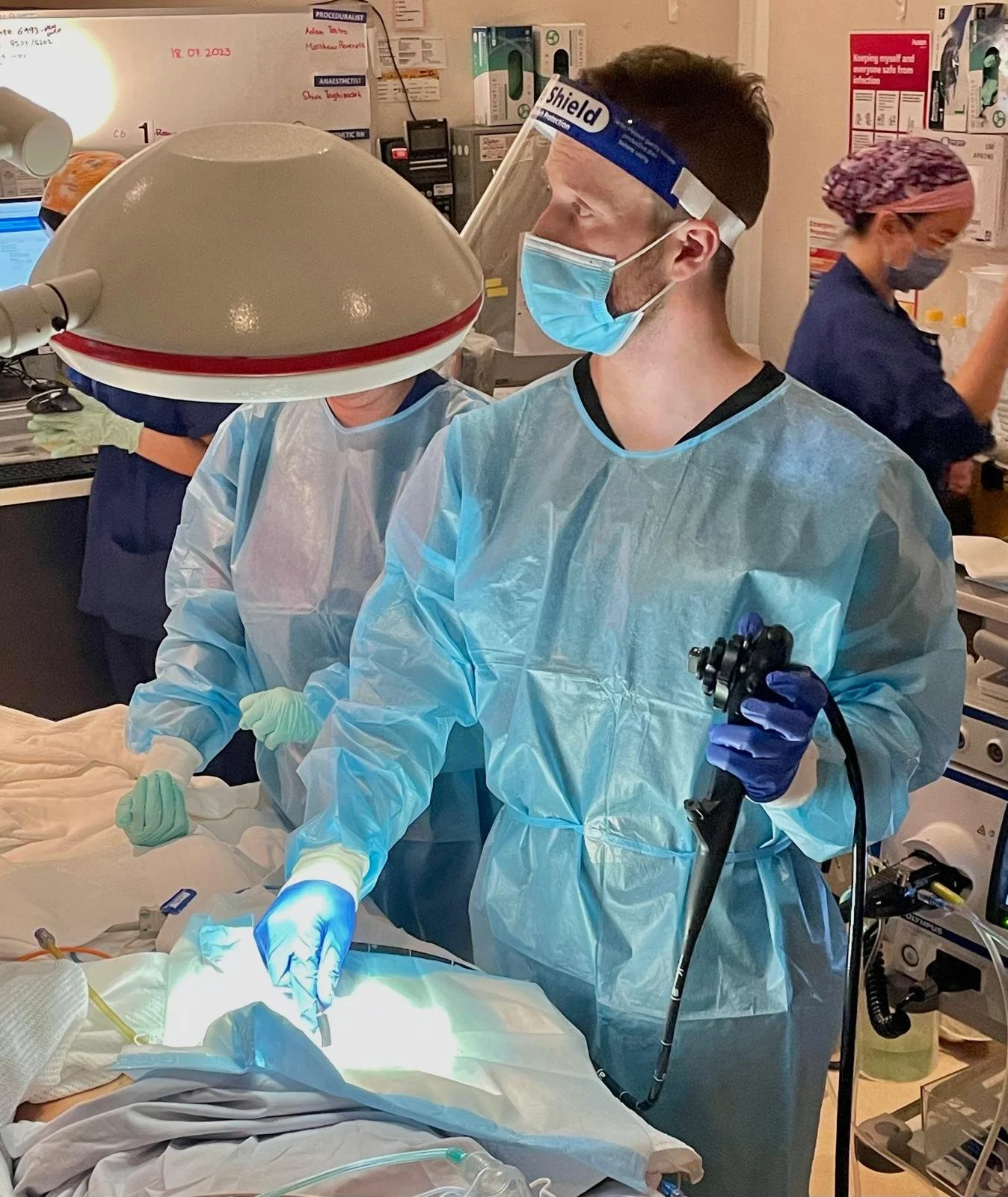
Endoscopic Sleeve Gastroplasty Melbourne
Dr. Peverelle provides Endoscopic Sleeve Gastroplasty (ESG) in Melbourne which is a non-surgical, incision-free weight loss procedure designed for people who want an effective alternative to traditional bariatric surgery.
Book OnlineAdvanced Non-Surgical Weight Loss
What is Endoscopic Sleeve Gastroplasty (ESG)?
Looking for an effective way to lose weight without traditional surgery? Endoscopic Sleeve Gastroplasty (ESG) is a minimally invasive, day-procedure alternative to surgical weight loss.
Using an endoscope passed through the mouth, Dr. Matthew Peverelle carefully places internal sutures to reshape and reduce the size of your stomach. This limits food intake, encourages early satiety (feeling full quicker), and helps you build sustainable, long-term portion control.
With no incisions, no external scarring, and a faster recovery time than traditional bariatric surgery, ESG is designed to help you take back control of your weight.
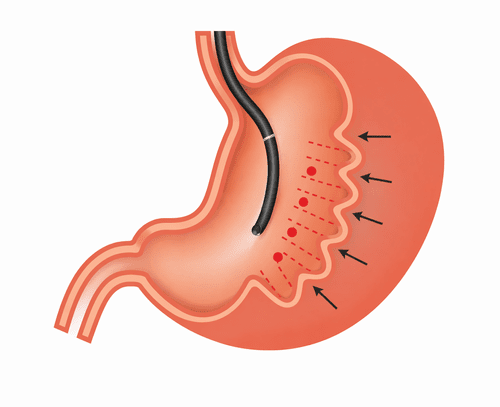
How the ESG Procedure Works
Comfort & Anaesthesia
Your comfort is our priority. The procedure is performed in a hospital day-unit under a general anaesthetic, ensuring you are completely asleep and pain-free.
Endoscopic Guidance
Dr. Peverelle guides a flexible endoscope (a tube with a camera and special suturing device attached) through the mouth into the stomach. No incisions/external cuts are made.
Stomach Reduction
Internal stitches are placed in the stomach wall and gently pulled inward to reshape it into a narrow sleeve, reducing its volume by roughly 70%.
Rapid Recovery
The procedure takes about 60 to 90 minutes. After a brief observation period, patients go home the same day and begin a carefully monitored transitional diet.

Is an Endoscopic Sleeve Right for You?
ESG is an excellent option for patients who fall into the "treatment gap" between diet/exercise and invasive bariatric surgery. It can be combined with weight loss medications for even greater results.
Body Mass Index of 30+
Ideal for individuals with obesity who need a permanent tool to kickstart significant weight loss.
Previous Attempts
Suitable for those who have tried to diet, exercise, or use weight-loss medications but have not achieved satisfactory results.
Non-Surgical Preference
Perfect for patients who want to avoid the incisions, hospital stays, and longer recovery times associated with traditional surgery.
Making an Informed Decision
The Potential Benefits
- Significant Weight Loss: Patients on average lose 20-22% of their total body weight.
- Minimally Invasive: No abdominal incisions, meaning no external scarring and less pain.
- Health Improvement: Can improve and potentially cure obesity-related conditions like sleep apnea, fatty liver, and high blood pressure.
- Early Satiety: You will feel fuller much faster and on significantly smaller portions.
- Rapid Recovery: Most patients return to normal daily activities within a few days.
What to be Aware Of
- Self-Funded: Although rebateable in the USA and UK, unfortunately currently, there are no Medicare rebates for the ESG procedure in Australia; it requires self-funding or early release of superannuation.
- Permanence: While theoretically reversible,after the first month it should be viewed as a permanent weight loss procedure.
- Long-term Data: Data out to 10-years shows sustained weight loss in patients who have had an ESG, but data beyond 10-years is currently being collected globally.
Common ESG Questions Answered
Everything you need to know about the procedure
Which is better, an ESG or surgical gastric sleeve?
Neither is objectively "better"—it depends entirely on your individual health needs and goals. A Surgical Gastric Sleeve generally results in slightly higher total weight loss (25% vs. 20-22%) but involves external incisions, a longer hospital stay, and longer recovery time. ESG offers a non-surgical, minimally invasive approach with no incisions, a faster recovery, and a lower complication rate.
How much weight can you lose with endoscopic sleeve gastroplasty?
Patients typically lose around 20-22% of their total body weight within the first 12 to 24 months following an ESG. Because the procedure significantly reduces the stomach's capacity, you will feel fuller on much smaller portions. Your ultimate success relies on using the procedure alongside long-term lifestyle changes.
How much does an endoscopic sleeve procedure cost in Melbourne?
The cost includes specialist, anaesthetist and hospital fees and up to 24 months of dietitian, exercise physiology and physician consultations after the procedure. ESG is a newer, non-surgical intervention, therefore it currently does not attract Medicare rebates and is a self-funded procedure (though patients are usually eligible for the early release of superannuation). Costs vary so please contact our friendly clinic for a breakdown of fees and payment options.
Can it help treat other health conditions?
Yes. Significant weight loss achieved through ESG can lead to profound improvements or resolution of obesity-related comorbidities, including Type 2 diabetes, sleep apnea, high blood pressure, and fatty liver disease.
What is the recovery like?
No incisions means a much faster recover than traditional surgery. Most patients experience mild abdominal cramping and nausea for the first 1-3 days, which is managed with medication. You will follow a liquid diet initially, gradually transitioning back to solid, healthy foods over several weeks.
Are there risks or complications?
While ESG is considered very safe and less risky than surgery, all medical procedures carry some risk. Potential side effects include nausea, stomach pain, or minor bleeding during the initial healing phase. Severe complications are exceedingly rare. Dr. Peverelle will discuss all risks with you in detail during your consultation.
Will I regain the weight?
ESG is a powerful tool to lose weight, but it is not a magic cure. Long-term success depends on your commitment to sustainable dietary changes, regular exercise, and attending follow-up appointments. Weight regain is possible if old, high-calorie eating habits return.